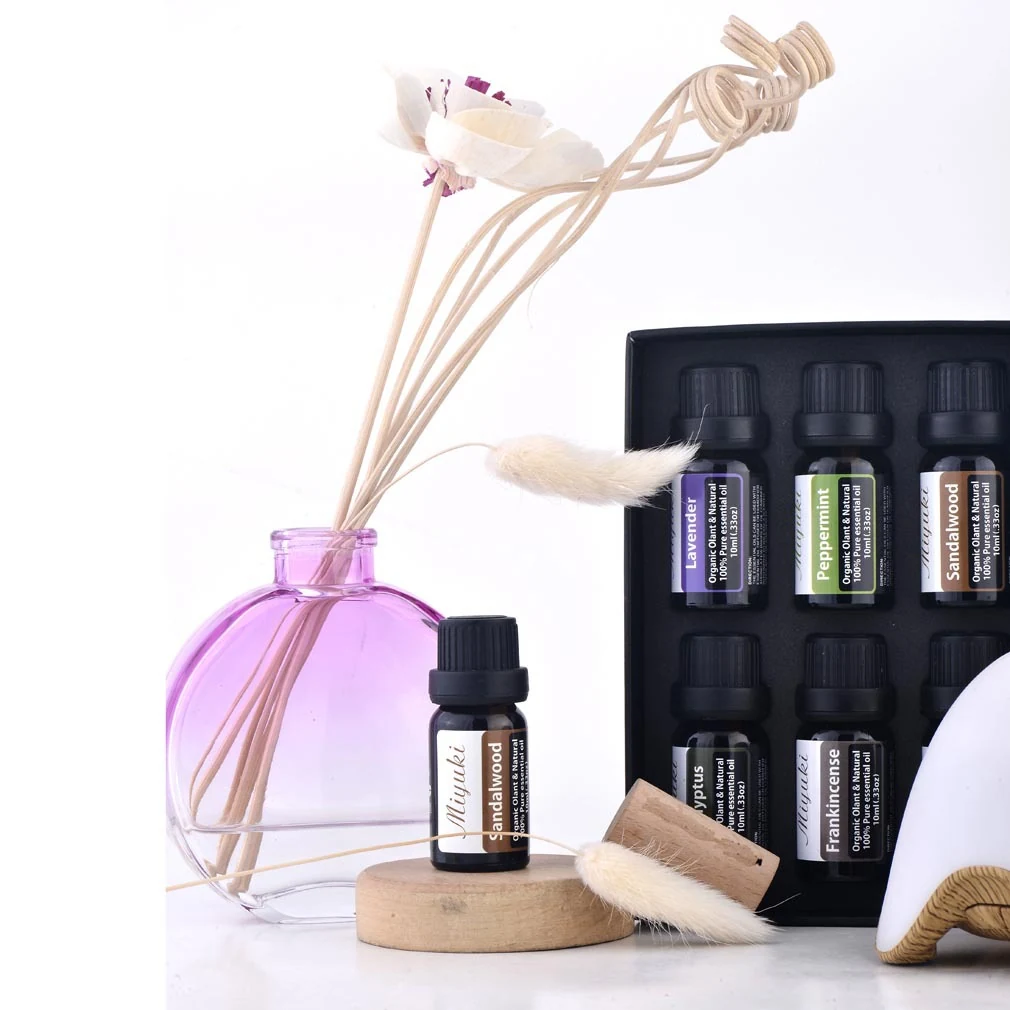
Packaging becomes a production specification when every component is clear enough to quote, sample and approve. For an essential oil brand, a photograph of an attractive bottle is only the start. The liquid, dispenser, closure, label and carton must be considered together. This guide helps buyers organize that work and avoid approving a design that has not been checked as a complete pack.
1. Identify the product and handling conditions
Tell the supplier exactly what will be filled, the intended use and the destination market. A botanical essential oil, a fragrance composition and a finished massage oil may require different dispensing and label considerations. Do not assume a packaging choice transfers unchanged between them.
Describe expected handling, storage and shipment conditions. Ask which compatibility and performance checks are needed for the proposed liquid and components. A material's appearance or general reputation is not a substitute for reviewing the actual combination used in the project.
2. Define the primary pack
Record nominal fill volume, bottle material, color, shape, neck finish and closure type. Add the intended reducer, dropper, liner, seal or tamper-evident feature. Component drawings or references are more useful when they identify dimensions and versions rather than show only a style.
Review dispensing with the actual liquid. The appropriate acceptance points may include leakage, closure fit, controlled dispensing, filling accuracy and ease of opening. Agree which tests or inspections form part of the project, and keep their scope visible in the sample and quotation records.
3. Build artwork from an approved dieline
Obtain the actual label and carton dielines from the selected packaging route. Confirm print area, trim, fold and any finishing constraints before final layout. A generic template may not fit the bottle or print process eventually chosen.
Supply editable brand artwork and record its version. Review product identity, ingredient information, directions, warnings and other content required for the target market. Avoid adding certification marks or product claims simply because a reference design uses them. Approve the exact text, file and print proof that will be released.
4. Review cartons, sets and transit protection
Secondary packaging should fit the assembled bottle and the way the product will be sold. For a set, confirm bottle count, insert layout, item identification and whether units can move during handling. A compact arrangement on screen may still need a physical sample to evaluate fit and protection.
Ask about outer case configuration and protection for the proposed shipment. Retail presentation and transit packaging perform different roles. The quotation should identify the components included, the quantity basis and any tests or samples needed to establish the final configuration.
5. Understand what drives the minimum order
Bottles, printed labels, custom cartons and special finishes can each have their own procurement quantities. A project's minimum order may therefore be determined by a component rather than by the oil alone. Ask whether a standard option, fewer designs or another pack format would alter the commercial plan.
Separate one-time artwork, tooling or development charges from recurring component and filling costs. Confirm what happens to any remaining components and who is responsible for them. If you expect repeat orders, ask how component versions and approved artwork will be controlled.
6. Approve an assembled sample and record changes
A liquid sample, a blank packaging sample and a printed assembled sample are different approval stages. State which one you have reviewed and what it demonstrates. If a later component or artwork change affects the approved pack, review the change before assuming the earlier approval still applies.
Create a simple packaging sheet with the bottle, closure, label, carton, fill volume and artwork version. Add sample feedback and the final approval record. PanPan Aroma can use that brief to discuss sourcing and sampling with partner manufacturers. Final packaging availability, price and timing are confirmed for the agreed project.
Keep a retained reference sample and the approval record linked to the order specification.